House Removals in France
Moving home can be exciting, but it can also feel overwhelming when you are trying to coordinate packing, access, transport, and timing all at once. If you are planning House Removals in France, you may already be dealing with narrow streets, apartment stairwells, parking restrictions, elevator bookings, long distances between regions, or the challenge of moving furniture through older properties. A reliable local removals team can make a real difference by turning a difficult day into a well-organised move that feels manageable from beginning to end.
Whether you are moving within the same town, relocating from one region to another, or changing from a city apartment to a family house, the right service should be practical, flexible, and tailored to your property type. In France, that might mean moving from a fifth-floor flat in Paris, a stone village house in Provence, a townhouse in Bordeaux, or a suburban home near Lyon, Lille, Nantes, Toulouse, Nice, Marseille, Strasbourg, or Rennes. Every move has its own access conditions and timing needs, so local knowledge matters.
Our aim is to provide a removals service that feels straightforward from your first enquiry through to the final placement of furniture in your new home. If you are comparing options, looking for a dependable moving company, or simply want to understand what is included, this page explains the service in clear terms. Request a free quote when you are ready, and take the next step with confidence.
Why House Removals in France Need Local Expertise
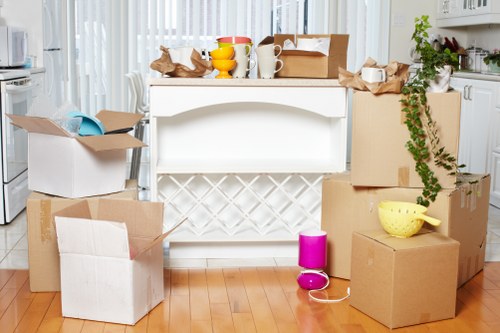
France is a large and varied country, and the practical reality of moving in one area can be very different from moving in another. Urban properties may involve limited street parking, one-way roads, time-restricted loading zones, or shared entrances with strict building rules. In smaller towns and villages, access can be affected by narrow lanes, low bridges, older staircases, and limited turning space for larger vehicles. A local removals company understands how these conditions affect planning and can prepare a move around them.
Local expertise is also important because of the variety of housing found across the country. Many customers need help with apartments, maisonettes, villas, family homes, holiday properties, and even mixed-use premises that combine living and working spaces. A team used to handling domestic removals in France will know how to protect floors, manage furniture safely, and adjust the process to suit the property rather than forcing the move into a rigid routine.
For customers moving between departments or regions, the journey itself needs careful organisation. Long-distance routes may require coordination across motorways, toll roads, ferry connections, border crossings, or time windows agreed in advance. Choosing a company that regularly handles home removals France wide means your move can be planned with realistic timings and suitable transport from the outset.
What Our Home Removal Service Can Include

A professional removals service should do more than simply turn up with a vehicle. It should provide a complete and well-considered solution that supports you before, during, and after moving day. Depending on your requirements, house moving services may include packing support, furniture dismantling, careful loading, transport, unloading, and placement of items in the correct rooms.
Some households want full-service removals, while others only need transport and handling of the larger pieces. That flexibility is important because every customer has different needs. A couple moving from a compact apartment may only need help with bulky furniture and appliances, while a family leaving a larger house may need support with boxes, wardrobes, outdoor items, and fragile possessions. A good team will adapt to your move rather than expecting you to fit a one-size-fits-all package.
Typical services offered for house removals in France may include:
- Packing assistance for breakables, books, kitchen items, and personal belongings
- Supply of cartons, tape, protective wrapping, and wardrobe covers where required
- Furniture dismantling and reassembly for easier handling
- Loading and unloading with suitable lifting equipment and care
- Transport for short-distance and long-distance domestic moves
- Protection for doors, floors, banisters, and furniture during handling
- Placement of items in designated rooms at the new property
- Coordination for properties with limited access or shared building rules
Moving House in France: Who We Help

Our service is designed for a wide range of residential and commercial customers. Families moving to a larger home, retirees relocating closer to amenities, landlords changing tenants between properties, and professionals moving for work all need a removals team that works efficiently and respectfully. We also help customers who are returning to France after time abroad or moving within the country from one region to another.
In many cases, the move is more than just shifting furniture. It may involve managing a busy family schedule, coordinating with estate agents, arranging key collection, or handling a moving date that cannot be changed easily. For that reason, strong communication and practical planning are essential. When you hire a local team for house removals France customers depend on, you should feel supported at every step rather than left to deal with details alone.
We also support business customers where home and work overlap, such as home offices, small workshops, studios, or mixed residential premises. If you have equipment, filing, displays, or specialist items that need careful transport, the move can be planned around those requirements. In busy areas such as Paris, Marseille, Lyon, Nice, Montpellier, Toulouse, or the surrounding commuter zones, this kind of coordinated approach helps reduce stress and delays.
How the House Removals Process Works
The best moving experience usually starts with a simple, clear plan. Once you have made contact, the next step is to discuss your property type, move date, access conditions, and the amount of furniture and packing involved. This helps the removals team understand what is needed and recommend the right vehicle size, number of staff, and level of support. If you are moving from a flat with no lift, a house on a steep hill, or a property with tight roadside access, these details are especially important.
After the initial discussion, you may be asked to provide an inventory or at least a rough list of rooms and key items. This does not need to be complicated. A straightforward breakdown of larger furniture, appliances, fragile items, and any special requirements is often enough to plan the move accurately. A professional team will use this information to prepare materials and organise the day so that your removals run smoothly.
On moving day, the team should arrive prepared to protect your property, load your items carefully, and keep the process moving at a sensible pace. For many customers, the biggest benefit is not just the physical lifting, but the reassurance that trained people are handling each stage methodically. Book your service now if you want a moving day that feels controlled rather than chaotic.
Local Property Types and Access Challenges Across France

One reason local removals knowledge is so valuable is that French housing often comes with specific access challenges. In historic centres, you may find narrow streets that make parking tricky for larger vans or lorries. In apartment blocks, there may be tight staircases, lifts with size restrictions, or building managers who require advance notice for move-in and move-out times. In rural areas, the issue may be distance, lane width, or the need to manoeuvre carefully around entrances and courtyards.
This is especially relevant for customers moving in older buildings, where doorways, hallways, and stair turns can be more restrictive than in newer construction. Furniture may need to be dismantled, wrapped, or carried in stages. If you are moving a wardrobe, sofa, bed frame, piano, or dining table, it helps to have a team that understands how to handle awkward shapes in real homes, not just in ideal conditions.
Typical local situations where house removals in France benefit from experienced planning include:
- City apartments with limited parking or loading bays
- Village homes with narrow access roads
- Suburban houses with garage storage, garden furniture, or sheds
- Older properties with stairs, landings, or fragile interior finishes
- Holiday homes and seasonal residences that need flexible scheduling
What Makes a Reliable Removals Team Worth Choosing
When customers compare removals companies, they are usually looking for reassurance as much as transport. They want to know that items will be handled carefully, that timing will be respected, and that the team understands the realities of moving day. A reliable removals team should be organised, careful, and able to explain the process in plain language. You should feel comfortable asking questions about access, packing, dismantling, and the best way to prepare.
Another key point is adaptability. No two moves are identical, and a useful service should account for that. Some households need extra help with delicate items, while others need an efficient solution for bulky furniture and boxes only. Some moves involve strict departure times from a rental property, while others allow more flexibility. A good removals team will work around these differences without making the process feel complicated.
For many clients, the main benefits of choosing a local company for residential removals in France are convenience, practical knowledge, and the ability to deal with unexpected issues quickly. If there is a parking problem, a corridor constraint, or a difficult piece of furniture, a local team is often better placed to respond in a calm and effective way.
Reasons customers value a local service
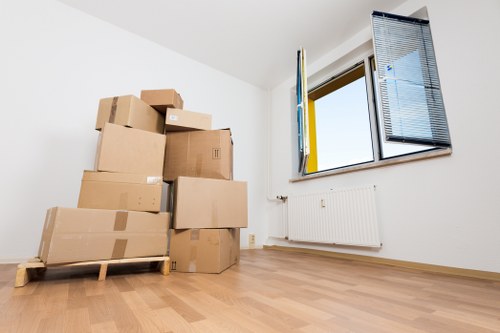
Practical area knowledge helps with planning around roads, access restrictions, and building rules. Efficient scheduling can reduce the chance of delays. Flexible support means the service can suit apartments, houses, and mixed-use properties. Better communication gives customers confidence before moving day. These details matter when you are moving a family home, an investment property, or a work-from-home setup.
Local teams are also useful because they can offer a more personal service. A move in France may involve different expectations depending on the region, property type, and timing. For example, summer moves, school-holiday relocations, and end-of-lease transitions can all be busy periods. Having a company that understands local demand patterns can help you choose a date and plan around practical pressures.
If you are looking for removals in France that feel dependable and customer-focused, ask about the approach to planning, handling, and communication. The more clearly your move is understood at the beginning, the smoother the day is likely to be.
Preparation Checklist for a Smooth Move
Preparation makes a big difference to how smoothly a house move goes. Even if you are using a full removals service, there are steps you can take in the days before moving that will help the team work efficiently and keep your belongings organised. The aim is not to do everything yourself, but to make the handover simple and reduce last-minute stress.
It is a good idea to separate the items you will need immediately at the new property from those that can be packed away with the rest. Important documents, medication, chargers, keys, and a basic change of clothes are often kept in a clearly labelled essentials bag. If children or pets are involved, planning for their comfort on moving day can also make the whole process easier for everyone.
Here is a practical checklist many customers find helpful before house moving in France:
- Confirm the moving date and access arrangements with everyone involved
- Reserve parking or loading space if your building or street requires it
- Declutter rooms so fewer unnecessary items are transported
- Label boxes by room and note fragile contents where needed
- Disconnect appliances safely in advance if required
- Empty and clean wardrobes, cupboards, and shelves
- Keep valuables and essential documents with you
- Prepare directions for the new property, especially in rural areas
If you are not sure how much to pack yourself, ask for advice before the move. A local removals company can often suggest the simplest way to split tasks between your household and the moving team.
Pricing Factors for House Removals in France
Customers often want to understand what affects the cost of a house move, even when exact prices are not discussed until a quote is prepared. The main factors are usually the size of the property, the number of items to move, the distance travelled, and the access conditions at both addresses. A move from a small flat in an accessible street will usually be simpler to organise than a larger move involving several flights of stairs, awkward parking, or a long transfer across regions.
Packing support, furniture dismantling, specialist handling, and storage requirements can also influence the overall cost structure. If your move includes delicate pieces, heavy appliances, or items that need extra care, the removals team may need more time or additional materials. Likewise, if you are moving at a busy time of year or on a date with tight scheduling, this can affect planning. The key thing is to provide accurate details early so the quote reflects the real work involved.
To help the quoting process, it is useful to share:
- The property type and number of rooms
- Approximate volume of furniture and boxes
- Whether packing support is needed
- Any stairs, lifts, or access restrictions
- The distance between old and new addresses
- Items requiring special handling, such as antiques or appliances
That level of detail helps create a more accurate and useful proposal for your move.
Moving in and Around Major French Cities
House removals in France often involve busy urban or peri-urban areas where timing and access matter as much as distance. In cities like Paris, Lyon, Marseille, Bordeaux, Lille, Toulouse, Nice, Nantes, Strasbourg, and Montpellier, customers may need to manage tighter roads, shared buildings, traffic windows, or building access rules. In each case, a locally informed approach is important.
People moving within these areas may also be shifting between different types of property, from compact flats to suburban family homes or renovated terraces. A removals team familiar with the rhythm of local neighbourhoods can better plan loading times and anticipate common access issues. For example, a move in a dense centre may need more coordination than one on the outskirts, while a rural relocation may require a longer route but easier loading conditions.
It is also common for customers to move between urban and rural settings. Someone leaving a city apartment may be moving to a detached home in the countryside, or vice versa. That often means the move is not only about transport, but also about adapting to a completely different property layout. A well-planned domestic removals service can handle both ends of that transition with less stress.
Residential and Commercial Moves with a Household Focus
Although this page focuses on homes, many customers have a mix of residential and business needs. For example, someone may be moving a home office, a studio setup, or a small consultancy space from one property to another. In those cases, you need a removals company that can treat domestic possessions and work-related items with equal care.
If your move includes filing cabinets, desk equipment, printers, stock, or display materials, they should be wrapped and loaded in a way that reduces the risk of damage. The same applies to household items that double as business tools, such as cameras, musical instruments, or specialised hobby equipment. With house removals in France, it is often helpful to speak openly about all items in the move so nothing important is missed on the day.
This flexibility is one reason many households prefer a local removals provider rather than trying to piece together several separate services. A single, organised team can manage the whole process more smoothly, from the first box to the final placement of the last item.
What to Expect on Moving Day
On the day itself, a good removals team should make the process feel structured and calm. The first step is usually a brief review of the access route, what needs to be moved first, and any items that require extra care. Once loading begins, the team should work steadily and communicate clearly so you know what is happening. If you are still packing final items, the moving crew may also need to coordinate around that.
As loading continues, heavier items are usually moved first and packed in a way that helps protect everything else in the vehicle. Fragile items are handled separately, and furniture is secured to reduce movement during transport. At the new property, unloading is often easier when boxes are labelled by room, because it allows the team to place items where they belong rather than leaving everything in one pile.
Many customers appreciate this room-by-room approach because it saves time during unpacking. It can also reduce confusion if multiple family members are moving into the same home. If you are moving into a property with narrow hallways or multiple floors, a careful unloading sequence becomes even more useful.
Frequently Asked Questions
How far in advance should I book house removals in France?
It is best to enquire as early as possible, especially if you are moving during a busy season, at the end of the month, or on a date tied to a property sale or rental handover. Early booking gives you more flexibility and helps with planning access, parking, and packing support.
Can you help with apartments and houses?
Yes. House removals in France often involve both apartments and houses, and each comes with different access needs. Whether you are moving from a top-floor flat, a townhouse, or a detached property, the service can be adapted to the building layout.
Do I need to pack everything myself?
Not necessarily. Some customers prefer to pack themselves, while others want help with fragile or bulky items. Many removals services can assist with packing all or part of the move, depending on what you need.
What if my street has difficult parking or limited access?
That is very common in France, especially in older neighbourhoods and city centres. Let the removals team know in advance so access can be planned properly. This may affect vehicle choice, timing, and the amount of carrying involved.
Can you move furniture that needs dismantling?
Yes, in many cases furniture can be dismantled and reassembled as part of the service. This is often the safest way to move beds, wardrobes, and other large items through narrow spaces or staircases.
Do you handle long-distance domestic moves within France?
Yes. Many customers move between regions, departments, or cities. Long-distance house removals in France require good route planning and timing, especially when toll roads, travel times, or access windows need to be considered.
Is storage available if my move dates do not align?
Some customers need a temporary solution between properties. If your move-out and move-in dates do not match, ask about storage options or a staged removal plan so your belongings can be kept safe until you are ready.
Areas Covered
Our service is suitable for customers across a wide range of locations in France, including major cities, commuter areas, coastal towns, rural villages, and cross-region routes. Common areas of work include Paris and the wider Île-de-France, Lyon and the Rhône area, Marseille and the Provence coast, Bordeaux and Nouvelle-Aquitaine, Toulouse and the south-west, Lille and Hauts-de-France, Nantes and western France, Strasbourg and eastern regions, Nice and the Côte d’Azur, as well as surrounding towns and nearby communities.
We also assist customers moving between smaller localities where access can be more challenging and local road knowledge becomes especially valuable. If you are unsure whether your area is covered, the best next step is to request a quote and share the details of your move. Contact us today to discuss your location and moving plans.
Why Customers Choose a Local Company for House Removals in France
Local customers often want a moving service that feels personal, practical, and dependable. They do not just want a truck; they want a team that understands how homes in France are actually built, accessed, and lived in. That includes knowing how to work around apartment rules, parking limits, busy traffic conditions, and the practical needs of families or businesses relocating on a deadline.
Another reason customers choose a local provider is ease of communication. A team that regularly works in the area is more likely to understand the kind of questions you have before moving day and the issues that matter most once the move begins. That can make a real difference when you are balancing work, family, pets, or lease deadlines.
If you want a service that respects your time and property, and that can handle the real-world challenges of moving in France, it makes sense to speak with a local removals company early. Whether your move is large or small, straightforward or complex, the right support can save effort and reduce disruption.
Ready to Plan Your Move?
If you are organising a house move and want a service that fits your property, your schedule, and your location, now is a good time to get started. A well-planned removal can reduce stress, protect your belongings, and help you settle into your new home more quickly. From full household moves to selective transport and packing support, the right team can make the process much easier.
Request a free quote, ask about availability, and let us help you plan house removals in France in a way that feels organised and manageable. If you are ready to move, book your service now and take the next step with confidence.