Removals in France
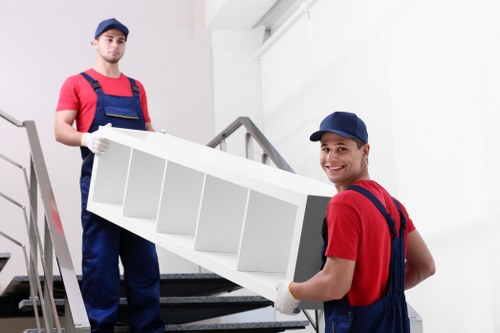
Moving home or business in France calls for careful planning, safe handling and clear choices about what should travel, what should be packed first and how the load will be managed on the day. Our removals in France service is set up to help with that process in a practical way, whether the move involves a flat, a family home, a rented property or a workplace. We support customers who need a straightforward move managed with order, as well as those who want help with packing, loading and transport planning.
Because every move is different, the service can be shaped around the volume of items, access at each property and the type of belongings involved. Some moves need a simple man and van arrangement, while others are better handled through a fuller removals plan that covers furniture protection and careful loading. We also provide related options such as house removals, home moves and man and van support, so customers can choose a level of help that suits the job rather than paying for extras they do not need.
If you are comparing move types, it helps to think about the size of the property, the distance involved and how much preparation you want to do yourself. Our approach is designed to stay flexible, with clear arrangements for lifting, carrying and transit so your belongings are handled in a controlled way. When you are ready, ask for a quotation and we can help you plan the most suitable removals option.
Home removals and household transport
Household moves often need more than a vehicle and a few extra hands. Furniture may need dismantling, wrapped protection, and a sequence for loading that keeps heavy pieces stable and lighter boxes accessible. Our household removals work focuses on moving domestic items in an organised order so that each stage is easier to manage. That can be especially useful where there are stairways, narrow hallways, shared entrances or a mix of fragile and bulky contents.
We can support different stages of a home move, from simple collection of selected items through to fuller transport of the contents of a property. For customers who want help with individual pieces, furniture pick-up can be a practical option. For more complete domestic moves, house movers and house removalists pages describe the broader removal support available, while removals gives a general overview of the service range.
What a household move usually includes
Domestic removals commonly involve a combination of packing, handling and transport decisions. It can help to separate items into groups before moving day: belongings you need immediately, furniture that requires careful wrapping, and boxes that can be stacked more densely. For many customers, the most useful service is the one that reduces handling risk without overcomplicating the move. Simple preparation often makes the loading stage smoother, but the actual transport plan should still reflect the property layout and the size of the load.
Packing support and item protection

Packing is often what turns a move from manageable to stressful, especially when there are breakables, mixed room contents or items with awkward shapes. Our packing and unpacking service is intended to make that stage more orderly, with attention to wrapping, boxing and room-by-room organisation. It is useful where customers want help starting early, where they have limited time, or where they would rather have specialist support for fragile possessions and kitchenware.
Packing and unpacking services can be used on their own or alongside a broader removal plan. Good packing is not just about filling boxes; it is about choosing the right size, keeping weight balanced and labelling in a way that makes unloading easier. We can also discuss which items may benefit from additional protection so that furniture edges, glass, artwork and delicate household goods are treated with extra care during transit.
- Room-based packing helps keep possessions grouped logically and makes unpacking less chaotic.
- Protective wrapping is useful for furniture surfaces, mirrors and other items that may be marked in transit.
- Careful box selection helps prevent heavy loads from becoming unsafe to carry.
- Unpacking support can save time when the priority is to get essential rooms usable first.
If you prefer to manage the packing yourself, we can still help with the parts that benefit most from specialist handling. That might mean preparing the larger items, moving packed boxes into the vehicle and arranging secure placement for the journey. The aim is not simply to move objects, but to reduce avoidable damage and make arrival at the destination more controlled. For a more detailed service discussion, removal services gives a broader view of the support available.
Commercial and office removals
Workplace moves need to be planned around equipment, documents, furniture and the need to keep disruption as low as possible. Our commercial removals support is suitable for offices, studios and other business premises where desks, chairs, filing, displays and electronic equipment have to be moved with a sensible loading sequence. The key is to keep the process practical: identify what is moving, what is being replaced and what needs a particular handling method.
Commercial moves and office removals are relevant where the move has a business purpose and needs structured transport. Some customers want help moving a small team’s equipment; others need a more complete office relocation plan. Office relocation services can be useful when the move requires extra organisation around desks, archive storage or equipment placement, while movers is a general page for broader moving support.
For businesses, the most useful decisions are often about timing, access and packing priority. Items that are essential for daily work should be easy to identify, while less urgent furniture or stored items can be loaded later in the sequence. If there are sensitive or awkward pieces, such as printers, screens or shelving, it is sensible to note them in advance so the right handling method can be chosen. This keeps the move more organised and helps the transport plan stay focused on the actual workplace needs.
Vehicle options and smaller load moves

Not every move needs a full household schedule. Smaller relocations, item collections and flexible transport jobs often work better with a compact vehicle and a straightforward loading plan. Our van-based removal options suit customers who have fewer items, are moving from a smaller property, or need transport for selected furniture rather than the contents of an entire home. That can make the process more efficient without losing the care needed for fragile or bulky pieces.
Relevant pages such as moving van, removal van, removals van and moving truck help show the range of vehicle-led support available. The right option depends on what needs carrying, how it is packed and how much room is required for safe stacking. In some cases, a man with van or man with van removal arrangement may be the most suitable choice for a practical, lower-complexity move.
Smaller load removals still benefit from good preparation. A few well-packed boxes, furniture that is ready to move and a clear list of what is travelling can make the collection and delivery stages more straightforward. Choosing the right vehicle size matters because it affects how items can be loaded, how much can be secured together and whether the move can be completed in one journey or needs a different plan. If you are unsure, a quotation request is the best starting point.
Planning a move and understanding the quotation factors
Removals pricing is usually shaped by the practical details of the job rather than by a single fixed formula. Distance, load size, access conditions and the amount of help needed all affect the final plan. If furniture must be carried up several flights of stairs, if there are tight corners or if the move includes many separate items, that changes how the work is scheduled. A clear quotation should reflect the actual work needed, not a generic estimate that ignores the layout of the properties involved.
When preparing an enquiry, it helps to note the property type, the main furniture pieces, the approximate number of boxes and any items that need special handling. If there are parking limits, long carrying distances or specific time constraints, those details can also matter. This is not about overcomplicating the request; it is about giving enough information for the move to be planned sensibly. If you are ready to compare options, our pricing and quotes page explains where quotation requests fit into the process.
Useful details to include
There are a few simple points that make the quotation stage more accurate: what is being moved, where it is going, whether packing is needed, and whether there are items that require careful dismantling or wrapping. You do not need to write a long inventory, but a practical summary is helpful. If plans are still changing, it is better to say so early, as that can affect the vehicle choice, timing and the amount of labour needed for the move. Clear information usually leads to a clearer plan.
Insurance, handling and move-day care
Any removals job should be approached with attention to handling and transit protection. Furniture, appliances and boxed belongings all benefit from loading that keeps weight balanced and reduces unnecessary movement during travel. Our related information on insurance and safety and the health and safety policy pages is useful for customers who want to understand the care behind the service. Safe handling is not just a formality; it affects how confidently the move can be carried out.
Different items call for different treatment. Some can be carried as they are, while others need wrapping, securing or dismantling first. Heavy furniture should be positioned so that it remains stable, and fragile items should not be placed where they can shift under load. Where a job includes mixed contents, it helps to load sturdier items first and place sensitive belongings in positions that reduce pressure. This is one reason why a structured removals plan can be preferable to improvising on the day.
We also recognise that move-day access can affect the pace of the work. Shared entrances, waiting restrictions and the distance between door and vehicle all influence how the loading sequence is arranged. A good plan keeps the job practical rather than forcing every item through the same route. If you want to understand the practical side before booking, asking for a quotation is the simplest next step.
About France
France is one of Europe’s most geographically varied countries, stretching from the North Sea and English Channel in the north to the Mediterranean coast in the south, with Atlantic frontage to the west and mountain borders with Spain, Italy, Switzerland, Germany, Luxembourg and Belgium. Its landscape combines major river systems such as the Seine, Loire, Garonne and Rhône with upland areas including the Alps, the Pyrenees, the Massif Central and the Jura. Paris, the capital, sits in the north-central part of the country and remains the main reference point for its political, cultural and economic life, but the national character is also shaped by historic regional centres such as Lyon, Marseille, Bordeaux, Lille, Toulouse and Strasbourg. France’s built environment reflects a long and layered history: Roman remains can still be found in places such as Nîmes and Arles, medieval cathedrals rise in cities like Chartres and Reims, and later periods added grand boulevards, civic squares and railway-era architecture across many urban areas. The country’s history includes the Capetian monarchy, the Revolution of 1789, the Napoleonic era, the establishment of the modern republics and significant post-war change. In daily life, regional identity remains visible in food, language variation, festivals, wine production, coastal resorts, ski towns and protected countryside. Major landmarks such as the Eiffel Tower, Mont-Saint-Michel, the Palace of Versailles, the beaches of Normandy and the cliffs of Étretat sit alongside modern museums, business districts and transport networks that connect the country internally and with neighbouring states. France also has a strong tradition of public gardens, river promenades and historic market towns, giving the country a mix of urban intensity and open landscape that is widely recognised and still evolving.
Choosing the right removals support
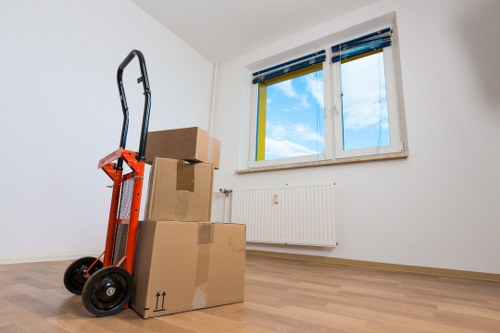
Once you have decided how much of the move you want to handle yourself, the next step is choosing the service combination that fits. Some customers only need loading and transport, while others want help with furniture pick-up, domestic removals and packing support in one arrangement. A clear plan avoids paying for features that are not needed and makes the move easier to coordinate. If you prefer a simpler option, man and van removals can be a practical middle ground between self-managed transport and a fuller removals package.
It is also worth considering whether your move needs a standard domestic setup or something more tailored. For larger or more complex jobs, removal company and removal companies pages are helpful reference points for the broader service structure, while removals near me is a general navigation page for people comparing nearby options. The right choice is the one that matches the volume, timing and level of assistance required for the move itself.
Two brief reminders tend to help at this stage. First, think in practical terms about what absolutely has to be moved and what could be left out, sold or collected separately. Second, make sure any delicate or heavy items are identified early so the lifting plan can reflect them. These are simple steps, but they support a smoother move and reduce the chance of last-minute complications. If you are ready to move forward, ask for a quotation and we will help you shape the most suitable arrangement.
Service details, policies and next steps
Customers sometimes want to review the support information behind a removals service before they enquire. That is understandable, particularly where belongings are valuable, awkward to carry or part of a larger household or business move. Our site includes pages covering payment and security, privacy policy, terms and conditions and about us, which together help explain the practical and administrative side of working with us. These pages sit alongside the service information so you can make a more informed choice.
There may also be situations where a general removals service is not the only useful option. For example, some customers need a single item picked up, while others require a vehicle-led move with minimal loading help. In those cases, the service can be adjusted around the likely amount of labour, the collection points and the route between them. That flexibility matters because not every move fits a standard template, and not every customer wants the same degree of support.
When you are comparing possibilities, keep the decision simple: what is moving, how far it needs to travel, and how much help is needed at each stage. If those points are clear, the quotation stage becomes much easier. To take the next step, use the contact route that suits you best and ask for a quotation.