House Movers in France
If you are planning a move and need reliable house movers in France, the right team can make a difficult day feel organised, calm, and manageable. Whether you are relocating from one apartment to another in Paris, moving a family home in Lyon, transferring a villa on the Côte d’Azur, or handling a property change in a quieter town or village, a local moving service can save time, reduce stress, and protect your belongings every step of the way.
Moving in France often comes with its own practical challenges: narrow staircases in older buildings, limited parking in city centres, lift reservations, shared entrances, cobblestone streets, traffic restrictions, and the need to coordinate with building managers or neighbours. A professional local team understands these realities. They know how to plan around access issues, arrange loading efficiently, and adapt to the mix of residential and commercial moves that happen every day across the country.
From the first box packed to the final item placed in your new home, good moving support is about much more than transport. It is about careful handling, clear communication, punctuality, and a service that fits your property, your schedule, and your expectations. If you are comparing options, this page will help you understand what is included, how the process works, what influences cost, and why choosing experienced house movers in France is often the smartest decision for a smooth relocation.
Why a Local Moving Team Makes a Difference

Many people assume a house move is simply a matter of loading furniture into a van and driving to the new address. In reality, moving in France can involve a long list of details that are easy to underestimate. Local movers are valuable because they understand regional property layouts, the pace of city traffic, and the practical steps needed to move efficiently in French towns, suburbs, and rural areas.
For example, an apartment move in central Marseille may require careful timing to avoid busy streets and secure access near the building entrance, while a family home in the outskirts of Nantes may need a larger vehicle and a different loading plan. In mountain areas, coastal locations, and historic centres, access can be especially tight. A local team can plan for these conditions before moving day, which helps prevent delays and damage.
House movers in France also help you manage the paperwork and coordination that often comes with residential and business relocations. In many buildings, there may be rules about service lift bookings, delivery hours, or parking permits for removal vehicles. A mover familiar with local procedures can help you avoid last-minute complications and keep the day running smoothly.
What House Moving Services Typically Include

Every move is different, but most professional house moving services offer a combination of practical support and transport. Depending on the service you choose, this may include packing, loading, transport, unloading, furniture protection, and placement of items in the correct rooms. Some customers only need a removal vehicle and labour, while others want a full-service move with packing materials and careful wrapping for delicate belongings.
Typical service options may include:
- Packing of household goods using appropriate materials
- Disassembly and reassembly of furniture where required
- Wrapping and protection for fragile or bulky items
- Loading and unloading by trained movers
- Transport between addresses within France
- Handling of stairs, lifts, and difficult access points
- Placement of boxes and furniture in designated rooms
- Support for both domestic and small commercial relocations
Some clients only want help with the hardest parts of the move, such as large wardrobes, heavy appliances, or awkward access from upper floors. Others prefer a full house removal so they can focus on family, work, or settling into the new property. A good moving company will adapt the service to your needs rather than forcing a one-size-fits-all approach.
Moving Homes Across France: Common Property Types and Challenges
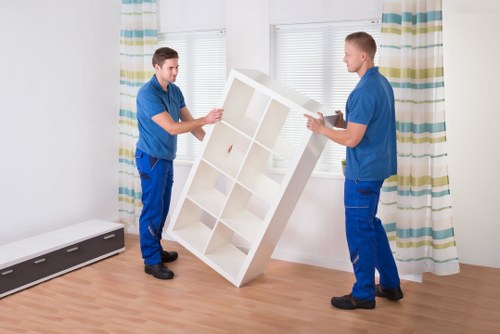
France has a wide variety of homes, and each property type brings different moving conditions. In major cities such as Paris, Lille, Toulouse, and Lyon, many people live in apartments with narrow staircases, compact elevators, and limited curbside parking. In suburban areas, you may have a house with easier access but more furniture to move. In rural regions, distances can be longer and roads may be less direct, so planning becomes just as important as manpower.
Older French buildings can be particularly demanding. Many have stone staircases, small door frames, and shared corridors where careful handling is essential. In historic districts, movers may need to protect floors and walls while navigating tight turns. In newer developments, access may be simpler, but there can still be apartment rules, time restrictions, or loading zones to consider. Experienced house movers in France know how to adapt to these different situations without rushing or taking unnecessary risks.
For family homes, the challenge is often volume. Gardens, garages, attic storage, laundry appliances, children’s furniture, and outdoor equipment all add to the workload. A local team can assess what needs dismantling, what requires special handling, and how many trips or what size of vehicle will be needed to keep the move efficient.
What to Expect on Moving Day

A well-run move starts before the van arrives. Ideally, the team will already know the property layout, access conditions, and the items requiring extra care. On the day itself, movers usually begin by protecting high-traffic areas, inspecting the load, and confirming which items go first. This is especially important in French apartment blocks where hallways, lifts, and common areas must be kept tidy and safe.
The moving process often includes:
- Arrival and quick review of the property and access routes
- Protection of floors, corners, and vulnerable surfaces if needed
- Systematic loading of boxes, furniture, and fragile items
- Secure placement in the vehicle to reduce movement during transport
- Unloading at the destination and placement by room
- Reassembly of selected furniture if included in the service
Good communication matters throughout. If you have labelled boxes, special instructions, or fragile objects that need careful placement, sharing that information early helps the crew work faster and more accurately. This is one of the biggest benefits of using house movers in France who are used to both local and long-distance relocations: they can keep the day organised even when conditions change.
Residential and Commercial Moving Support

Although this page is focused on house moving, many local moving companies also support small commercial clients. That may include offices, retail units, studios, consultancies, and other businesses that need careful relocation of desks, chairs, files, shelving, and equipment. For many customers, this flexibility matters because home and work moves often happen together, or because a business owner is moving into a property that also serves as a residence.
For residential customers, the service may cover everything from studio apartments and shared flats to large detached houses and holiday homes. For commercial customers, efficiency is key, because downtime can affect daily operations. A mover that handles both residential and commercial transport can often offer more practical scheduling, especially if you need an early start, a weekend move, or a phased relocation.
Whether your move is personal or business-related, the same principles apply: protect the items, respect the building, and keep the schedule realistic. A dependable moving team will look at the full picture rather than focusing only on the journey between two addresses.
Areas Covered by House Movers in France
France is a large country with very different housing patterns from region to region. That is why local coverage matters. A moving team that knows the area can better estimate traffic, access issues, route options, and the practical needs of the property type you are leaving and the one you are moving into.
Depending on the company’s operating area, service coverage may include major cities, suburban districts, and nearby towns across regions such as Île-de-France, Hauts-de-France, Grand Est, Normandy, Brittany, Pays de la Loire, Nouvelle-Aquitaine, Occitanie, Auvergne-Rhône-Alpes, Provence-Alpes-Côte d’Azur, and other parts of mainland France. Some movers also support moves in smaller towns and rural communities where access planning becomes even more important.
When comparing options, ask whether the team handles moves within the same city, between departments, and for longer-distance relocations across France. If you are moving from an apartment in Bordeaux to a house in a surrounding commune, or from a town near Grenoble to another part of the country, you will want a service that can manage both short and extended journeys professionally.
How to Prepare for a House Move
Preparation can make a major difference to the success of your move. Even with experienced movers, a little planning helps save time and protects your belongings. Customers who prepare early usually have a less stressful day, because there are fewer last-minute surprises and fewer items that need special attention at the loading stage.
Here is a practical preparation checklist:
- Sort items room by room and decide what will move, be stored, or be donated
- Label boxes clearly with contents and destination room
- Separate fragile items and clearly mark them
- Keep important documents, keys, medications, and valuables with you
- Defrost and clean appliances before moving if required
- Measure large furniture against doorways, staircases, and lift dimensions
- Reserve access or parking if needed through your building or local authority
- Prepare basic essentials for the first night in the new home
It is also helpful to let the movers know about items that may need extra care, such as glass tables, mirrors, musical instruments, artwork, wine storage, or delicate electronics. If you are moving with children or pets, planning a separate safe area for them on the day can also reduce stress and keep the process moving.
Pricing Factors: What Affects the Cost of Moving?
Customers often want a clear idea of cost before they commit. While exact pricing depends on the service provider and the details of your move, several common factors usually influence the final quote. Understanding these helps you compare services fairly and avoid unexpected extras later on.
Common pricing factors include:
- Distance between the collection and delivery addresses
- Volume and weight of items being moved
- Number of movers required
- Floor level, lift access, and staircase difficulty
- Whether packing materials or packing labour are included
- Special handling for fragile, bulky, or valuable items
- Need for furniture disassembly and reassembly
- Parking restrictions or access limitations at either property
- Timing of the move, including weekends or peak periods
For a straightforward move in France, a quote may be relatively simple. For example, a ground-floor home with easy parking and a modest amount of furniture will usually be easier to plan than a top-floor apartment in a busy city centre. A trustworthy moving company will ask the right questions and provide a quote based on the real conditions of your move, not vague assumptions.
Why Choose a Local Company Instead of a Distant Provider?
There are many reasons customers prefer a local moving company when relocating within France. Local teams tend to respond faster, understand the area better, and communicate more clearly about timing, access, and route planning. That can be especially useful when you are dealing with building managers, limited loading times, or last-minute access changes.
A local service also tends to be more practical if you need flexibility. Perhaps your completion time has shifted, the lift booking was delayed, or weather conditions have affected the loading plan. A team based in or near your area is often better positioned to respond quickly and keep the move on track. This is particularly helpful in dense urban zones and busy commuter towns where traffic and parking can change from hour to hour.
House movers in France who work locally also tend to understand the mix of property styles that customers live in: Haussmann-style flats, modern apartments, terraced houses, rural villas, and mixed-use buildings. That local knowledge can make a noticeable difference in the quality of service you receive.
Residential Moves: Making Family Relocation Easier
Moving house is often about more than furniture. It is about family routines, school schedules, work commitments, and the pressure of getting settled quickly. A good removal service should help reduce that burden. For families, the most important qualities are reliability, care, and a moving plan that fits around daily life as much as possible.
Families often need help with:
- Bedroom furniture and storage units
- Kitchen appliances and fragile household items
- Children’s rooms, toys, and personal belongings
- Garden equipment, bicycles, and outdoor furniture
- Items to be placed in specific rooms for faster unpacking
In many family moves, the biggest time-saving benefit comes from having experienced movers handle the heavy lifting while you focus on the details that only you can manage. If you are relocating within the same region or to another part of France, a well-organised moving company can help make the transition feel much more manageable.
Commercial and Small Business Relocations
Commercial relocations require a different mindset from home moves. Business owners usually want minimal disruption, careful handling of equipment, and a schedule that fits around trading hours or work commitments. A team that also supports commercial customers can bring useful structure and efficiency to the process.
Small business moves may include office furniture, filing cabinets, stock, display units, packaging materials, workstations, and IT-related equipment. In many cases, the move needs to be phased so that the business can keep operating. A professional mover can help plan the order of loading and unloading, and can work with you to prioritise important items first.
For mixed-use properties or home-based businesses, this service is especially useful. It allows you to relocate both personal and work items with a single coordinated plan, reducing unnecessary trips and keeping everything under control.
Questions Customers Often Ask
When people enquire about house moving services, the same questions come up again and again. That is normal, because moving is a significant event and customers want to understand exactly how the process will work before they book.
Do I need to pack everything myself?
Not necessarily. Many moving services offer partial or full packing support. Some customers pack their own belongings and only request help with fragile or awkward items, while others prefer the movers to handle most of the packing.
Can movers handle stairs or no-lift buildings?
Yes, provided the team is informed in advance. Stairs, lift access, and walking distance from the vehicle all affect planning, so these details should be shared early.
What if my furniture needs dismantling?
Many moving teams can disassemble and reassemble selected items such as beds, wardrobes, and tables. It is best to confirm which pieces need this service before the moving date.
Do you handle long-distance moves across France?
Many companies do. Whether you are moving within the same city or between regions, the service can usually be tailored to suit the distance and load size.
Can I book moving help for a smaller property?
Absolutely. Studio flats, one-bedroom apartments, and partial moves are common. A smaller load can still benefit from professional handling, especially in busy urban areas.
What Makes a Good Moving Experience?
The best moving experience is not necessarily the cheapest or the fastest. It is the one that feels organised, transparent, and suited to your actual situation. You should expect a moving company to ask the right questions, explain what is included, and be realistic about timing and access challenges.
Look for signs of professionalism such as:
- Clear communication before the move
- Practical questions about property access and furniture size
- Flexible service options for different needs
- Respect for your home and belongings
- Local knowledge of roads, parking, and building conditions
- A calm approach when plans need to change
When these qualities are present, customers usually feel much more confident on moving day. A move may still be busy, but it should not feel chaotic.
Helpful Tips for a Smoother Move in France
A few small steps can make a surprising difference to how smoothly your move goes. Even if you have already booked your movers, it is worth spending time on the final details before the big day.
Useful tips include:
- Confirm access details for both addresses well in advance
- Keep a list of fragile or high-value items
- Check whether parking restrictions apply near the property
- Prepare a box of essentials for the first 24 hours
- Label keys, remote controls, and small accessories separately
- Take photos of furniture setup before dismantling if you want help reassembling it later
If you are moving during a hot summer period, a rainy spell, or in a busy holiday season, allow extra time and build in some flexibility. Good preparation and a reliable team go hand in hand.
Book House Movers in France With Confidence
When you are ready to move, choosing the right team is about peace of mind as much as logistics. You want movers who understand French properties, work carefully in shared buildings, respect access rules, and make the process easier from start to finish. That is exactly why local expertise matters so much.
Whether you are planning a house move in a city apartment, a suburban family home, a countryside property, or a small office relocation, professional support can save time and reduce stress. If you need help with packing, furniture handling, loading, transport, or unloading, a tailored service is often the simplest way to keep everything moving in the right direction.
Contact us today to discuss your move, request a free quote, or arrange the support you need. If you are comparing house movers in France, take the next step now and book your service with a local team that understands the practical realities of moving across France.
Final thoughts before you enquire
The best time to organise a move is before the pressure builds. With the right planning and the right movers, your relocation can be handled in a way that is efficient, careful, and well matched to your property. If you want a service that feels local, practical, and customer-focused, now is the right time to request a quote and start planning your move with confidence.