House Removalists in France
Reliable moving support for homes, apartments, villas, and townhouses

If you are planning a move and need House Removalists in France, choosing a local team can make a major difference to how smooth the day feels. Moving home is rarely just about lifting boxes. It often involves narrow staircases, limited parking, building rules, old stone properties, elevators that are too small for bulky furniture, and the challenge of moving safely through busy streets or quiet residential lanes. A professional removal service helps take that pressure off, whether you are relocating within the same town, moving to another region, or arriving from abroad and settling into a French home.
Many customers start looking for house movers only a few weeks before their move, but the best results usually come from planning early. A good removal team can help with packing support, dismantling furniture, protecting fragile items, loading, transport, and delivery to your new address. For families, retirees, second-home owners, renters, and business owners moving household equipment, a dependable local service saves time and reduces risk. House removal services in France are especially useful where access can be tricky, loading zones are tight, or property layouts require careful handling.
French homes come in many forms, from city apartments in Paris, Lyon, Marseille, Bordeaux, Toulouse, Nantes, Lille, or Nice, to countryside maisons, coastal villas, and mountain properties. Each type of move brings its own logistics. An experienced crew understands that a small apartment move in a historic building is very different from transporting the contents of a family house with a garage, garden furniture, and multiple floors. That local understanding helps keep the process organised from the first box to the final placement of furniture.
What house removalists can handle

When customers ask what is included in a professional moving service, the answer depends on the job size and the level of support required. Many people want more than basic transport, especially when moving under time pressure or managing a large household. A local moving company can tailor the service to the property, the contents, and the route. For some clients, that means a simple loading and delivery service; for others, it includes packing materials, full packing assistance, furniture protection, and careful placement in the new home.
Typical services offered by house removalists in France often include:
- Packing assistance for everyday household items and delicate belongings
- Supplying boxes, tape, protective wrap, and covers where needed
- Dismantling and reassembling selected furniture
- Safe lifting and carrying for heavy or awkward items
- Transporting goods between homes, storage units, or a temporary address
- Handling access challenges such as stairs, courtyards, or narrow entrances
- Protecting floors, door frames, and furniture during the move
- Support for residential and light commercial moves
Some customers also need help with specialist pieces such as pianos, artwork, mirrors, office chairs, filing cabinets, or garden items. It is always worth mentioning anything unusually large, fragile, or valuable when requesting a quote. This allows the removal team to plan the right vehicle, equipment, and number of people for the move. In a country as varied as France, planning for access and handling is just as important as distance.
Why local knowledge matters in French house moves

France offers a wide range of housing styles and access conditions, so local knowledge is more than a bonus. In older town centres, parking can be restricted and buildings may have narrow internal stairs or limited lift access. In apartment blocks, residents often need to book lift times or follow building rules for move-in and move-out days. In suburban areas, there may be easier loading access but larger homes can mean more furniture, more packing, and more time on site. A local removal team understands how these situations affect the schedule and the level of care required.
This kind of practical experience is especially useful in busy cities and surrounding suburbs. For example, moves around Paris and the ÃŽle-de-France area may involve controlled access, courtyard parking, shared entrances, or service lift restrictions. In Marseille, Nice, Montpellier, or Cannes, access may be shaped by steep roads, apartment blocks, or limited stopping space. In smaller towns and villages, the challenge may be less about traffic and more about lane width, long driveways, or multi-level properties with external stairs. A local team can adapt without unnecessary delays.
Another benefit is clearer communication about the move itself. Local house movers are more likely to understand the pace of the area, the typical property setup, and the practical details that affect moving day. That means better advice about booking times, vehicle size, access checks, and packing priorities. For customers, the result is often a calmer move and fewer surprises.
Types of customers we support
Residential and commercial moving needs
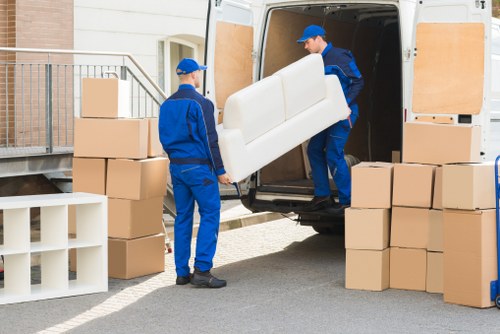
Although the main focus is home removals, many customers need help with moves that include both household and business items. A family might be relocating from one house to another while also moving a home office setup. A property owner may be clearing a holiday home on the coast or transferring furnishings between residences. Small businesses sometimes require safe transport of office furniture, stock, or equipment from one premises to another. Professional removalists can often support these mixed moves as long as the scope is discussed in advance.
Residential customers commonly include:
- Families moving to a larger or smaller home
- Couples relocating for work or lifestyle reasons
- Retirees moving into a more manageable property
- Tenants moving between apartments or furnished rentals
- Owners relocating to a second home or holiday property
- People returning to France after time away
Commercial or semi-commercial customers may include home-based businesses, small offices, property managers, landlords, and anyone needing reliable transport for furnishings and equipment. If a move includes filing cabinets, desks, stock items, or specialist electronics, it is useful to list these when arranging the service. This helps the team organise the move safely and avoid unnecessary handling on the day.
How the service works
From quote request to moving day

A straightforward moving process helps reduce stress. While each job is different, most customers can expect a process that starts with an initial enquiry and ends with delivery and placement of belongings at the new address. The more details shared early on, the easier it is to match the service to the property and contents.
- Initial enquiry: Share the move date, addresses, property types, access details, and a rough inventory.
- Assessment: The removal team reviews the size of the move, distance, and any special requirements.
- Planning: A suitable vehicle, crew size, packing support, and timing are arranged.
- Preparation: Boxes, wraps, and other materials are organised if part of the service.
- Moving day: Items are packed, loaded, transported, and unloaded carefully at the destination.
- Placement: Furniture and boxes are delivered to the rooms or areas you have indicated.
For many customers, a successful move is about timing as much as lifting. The team should know whether the property has a lift, if parking is available close to the entrance, whether the road is narrow, and if any building manager needs notice. In France, those small practical details can make a big difference to the flow of the day. If you are moving from a top-floor apartment in a city centre or a villa with a long driveway, say so early so the right plan can be put in place.
What influences the cost of a house move
Pricing factors customers should understand
Many people want to know what affects moving costs before they request a quote. While exact prices depend on the job, there are several common factors that influence the overall service. Being clear about these details helps the removal company provide a more accurate estimate and reduces the chance of delays or changes later on.
The main pricing factors often include:
- Volume of belongings: More items usually require more time, space, and labour.
- Distance: Local, regional, and long-distance moves involve different transport needs.
- Access at each property: Stairs, lifts, parking distance, and narrow entrances affect workload.
- Packing requirements: Full packing support will be different from transport-only services.
- Furniture handling: Large wardrobes, sofas, beds, or fragile items may need extra care.
- Timing: Weekend, end-of-month, and busy-season moves may need earlier booking.
- Extra stops: Storage collections, multiple drop-offs, or collection from different locations can affect planning.
It is a good idea to ask for a quote that reflects the real conditions of the move rather than only the number of boxes. Access, loading distance, and furniture size often matter more than people expect. If you are moving in or around France, especially in areas with older streets or dense housing, these practical factors can be just as important as the journey itself.
Request a free quote once you know the basic details of your move, and include as much information as possible. That way, the removal team can advise whether a small van, larger truck, or a full crew is likely to be needed.
Preparing for moving day
A simple checklist for local customers
Good preparation makes a house move more manageable and often saves time on the day. Even if you are using full packing support, there are still a few tasks that are best handled by the customer. A practical checklist can reduce last-minute stress and help the move stay organised.
Preparation checklist:
- Confirm the moving date and access arrangements for both addresses
- Reserve parking where required or check loading restrictions in advance
- Set aside documents, keys, valuables, medicines, and essential personal items
- Label boxes by room and mark anything fragile clearly
- Disconnect appliances if needed and follow any safety steps for fridges, washing machines, or dishwashers
- Empty cupboards and drawers where requested, especially for heavy furniture
- Protect or separate items that should not be moved with the main load
- Tell the team about glass furniture, mirrors, antiques, or items needing extra care
If you live in an apartment building, it may also help to let neighbours or building management know about the move, especially when using shared entrances or lifts. In some parts of France, this kind of coordination avoids unnecessary disruption and helps the team work efficiently. On the morning of the move, try to keep walkways clear and make sure boxes are grouped by room if possible. Small actions like these can make a noticeable difference.
Book your service now if your move date is approaching and you want to secure a practical, well-planned schedule.
Why choose a local moving company in France
Practical benefits that matter on the day
There are many reasons customers prefer a local service rather than a remote provider that does not understand the area. In household removals, local experience helps with timekeeping, access planning, route selection, and problem solving. A team that works regularly in France is more likely to know how to adapt to apartment blocks, older town housing, suburban streets, and rural access conditions.
Benefits of choosing a local house removal team:
- Better understanding of local road layouts and access issues
- More practical advice on parking, loading, and timing
- Flexible support for city, suburban, and countryside homes
- Knowledge of common property types, from studios to large villas
- Faster response for local and regional moves
- Useful support for move-in rules, stair access, and building considerations
For many households, peace of mind is the biggest benefit. Moving day can involve children, pets, fragile items, time limits, and a long list of tasks. A local company with the right equipment and know-how can help keep things steady and organised. If you are comparing services, focus on how well the team understands your property and your route, not just the distance from one address to another.
Areas covered across France
Urban, suburban, coastal, and rural moves
House removal services are needed in many parts of France, and the working conditions can vary widely from one area to another. A local removal team may support moves within major cities, between nearby towns, across regions, or into rural and coastal communities. The key is to choose a service that is comfortable with different property types and access situations.
Common service areas and move types can include:
- City apartments in Paris, Lyon, Marseille, Toulouse, Lille, Nantes, Bordeaux, Strasbourg, and Nice
- Suburban family houses with garages, garden equipment, and more furniture
- Rural homes and village properties with longer access routes or narrow roads
- Coastal properties and holiday homes with seasonal move patterns
- Mountain or hillside homes where access and vehicle positioning may need extra care
- Regional moves between departments and nearby towns
Customers often ask whether a team can handle both short and longer moves. In many cases, the same removal company can support local relocations and longer journeys, as long as the schedule, route, and property details are clear. If your move involves storage, a temporary address, or collection from more than one site, mention that when you enquire so the service can be planned correctly.
What makes a move go smoothly
Small details that prevent bigger problems
Even a straightforward house move can become stressful if important details are overlooked. The most successful removals are usually the ones where everyone knows what to expect. Clear communication, realistic timing, and sensible packing all play a role. It also helps to think about the destination property, not just the place you are leaving.
Useful points to check before the move include whether the new home has:
- Lift access or only stairs
- Restricted parking or unloading space
- A narrow entrance, shared corridor, or courtyard
- Parking areas with height restrictions
- Flooring or walls that need extra protection
- Room layout that may affect where furniture can be placed
If the property is in an older part of town, near a pedestrian zone, or in a building with strict moving hours, let the team know as early as possible. These factors can affect scheduling and vehicle positioning. When the removal company has the right information, they can plan the move in a way that respects both the property and the timetable. That is one of the main reasons customers value House Removalists in France who know the local conditions well.
Frequently asked questions
Answers to common customer concerns
Can house removalists help with packing?
Yes, many teams offer packing support ranging from partial help with fragile items to full packing of the household. It depends on the service you choose.
Do I need to empty furniture before the move?
Usually, yes for heavy or fragile furniture, and especially for wardrobes, drawers, and cabinets. Some items may be moved with contents removed for safety.
Can movers work in apartment buildings with stairs or a small lift?
Yes, but the team should know in advance so they can plan the right equipment, crew size, and timing.
Do you handle moves outside major cities?
Local and regional moves can often be arranged throughout France, including suburban, rural, coastal, and mountain areas.
What if my move includes storage or a temporary property?
That can often be arranged. Mention storage or multi-stop needs when you request a quote so the route and timing can be planned correctly.
How far in advance should I book?
As early as possible, especially for end-of-month dates, weekends, school holiday periods, or busy city moves where access planning matters.
Choose a service that feels organised, careful, and local
Moving home without unnecessary stress
When people look for a removal company, they usually want three things: safe handling, reliable timing, and clear communication. A good team should make the move feel manageable from the first enquiry through to the last item being placed in the new home. That is especially important in France, where the mix of property styles, access conditions, and neighbourhood layouts can vary so much from one area to the next.
Whether you are moving from a city apartment, a family house, a countryside property, or a holiday home, the right removal service can save time and reduce the physical strain of the day. It can also make planning easier for anyone juggling work, children, or a tight move-out deadline. If you need help with lifting, transport, packing support, or furniture handling, a local team is there to provide practical support that fits the move.
Contact us today to discuss your requirements, request a free quote, and plan a removal service that suits your home, your schedule, and your location in France. If you are ready to move, book your service now and take the stress out of moving day.
Final note
Professional house removals are about more than moving boxes. They are about protecting your belongings, respecting your property, and making the whole process feel easier. With the right local support, your move across France can be handled in a calm, organised, and practical way.